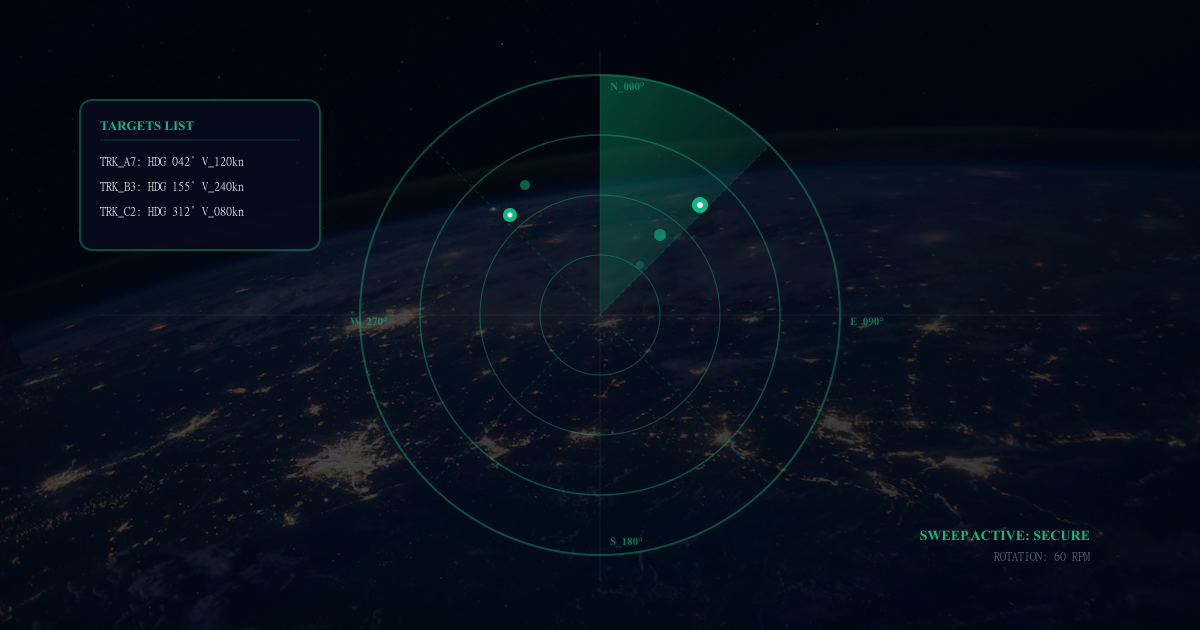
While the recent simulation tools online may not sound like anything new, it is becoming common in internet culture. These tools simulate real-world systems from OSs, to terminal interfaces, cybersecurity dashboards, financial platforms (for some reason), artificial intelligence control panels(trainable neural nets), radar screens and even government-style monitoring systems. On its surface, they often seem almost realistic; with animated data and technical language presented on interactive controls that budge as though they could function.
But largely those simulators are disconnected from real infrastructure and live systems. These are not real applications, though; these also happen to be built with web technologies like HTML, CSS, JavaScript and animation frameworks that simulate working processes. Yet they do serve several meaningful purposes from entertainment, education and design experimentation to psychological engagement.
Knowing the reason for such simulation tools available online will explain how far these examples go and why people keep interacting with them on social media, gaming platforms, and classroom settings.
Entertainment and Digital Experience
The main goal of the simulation tools is to provide entertainment. The reality is that a lot of users use these tools just because they are interactive and fun to look at. In real life, simulators make futuristic or cinematic environments close to science fiction movies or video games.
A visual mid-level of deception is the simulated cyber simulator, which simulates a server with scrolling code in both directions, flashing alerts and animated maps showing networks that make users feel like they are supervising sophisticated cybersecurity tools. The system may not be real, but the experience is fun.
Several entertainment-focused simulators depend a lot on visual design, motion, and sound effects. These are designed to grab your attention at one point and hold it with constant interaction.
simulation tools in this sense are more like digital toys or interactive media experiences than tools, practical or otherwise.
Educational and Training Purposes
A further fundamental purpose of simulation tools is to help with education. Simulators are often made to show users how complicated things work without any real-world risk.
As an example, tools for cybersecurity simulations allow students to explore network security threats, system vulnerabilities and defensive strategies in a safe environment. Some Aviation simulators are used to practice flight procedures in pilots where medical simulators help doctors train before training the actual surgical operations.
Many of these are computer-based simulators of real systems, spanning from hospitals to ships, but they operate in contrived environments using fictional data. It provides an opportunity for learners to practice without real impact on any systems or users.
simulation tools are a valuable tool for understanding abstract concepts, especially in digital education. Users can manipulate visualizations of the systems, seeing what results different actions yield in a way that does less to reinforce theoretical explanations.
Demonstration of Technology Concepts :
simulation tool software is also used to showcase how a technology might appear or work. A lot of times, developers, educators and designers run into creating simulated interfaces to describe complicated topics like artificial intelligence and machine learning cloud computing cybersecurity or data analytics.
So a simulated AI Mock Up dashboard could present any number of the components behind an intelligent neural network activity, predictive analysis or just machine learning processes in a visual by view type layout. Even if the simulation is not running true AI models, it allows users to grasp the concept in a very basic manner.
These demonstrations are particularly useful with technical non-experts, who may find real systems either too complex or too abstract. Simulators help connect the dots between technical knowledge and public understanding by visualising it simply.
Essentially, simulation tools are used as a link to decode complicated systems.
Creative Storytelling and Digital Art
In addition, simulation tools are popular in creative storytelling. Simulated interfaces are often employed by artists, filmmakers, and other content creators to create dystopian or futuristic narratives.
Simulated DashboardsIn movies and videos, simulated dashboards are commonly featured to depict cyber scenes, surveillance, or advanced computer systems. This imagery contributes to sharing narratives in a manner that is contemporary and engaging.
Digital artists simulate to integrate into interactive work. They weave together animation, sound and user interaction to create experiences that traverse the worlds between tech and story.
Here, simulation tools are not functional tools but expressive ones. They assist creators in visualizing fictional systems and digital worlds.
Psychological Engagement and Curiosity
Simulation tools also have another reason — to arouse human curiosity. Humans gravitate towards systems that appear complex, enigmatic, or intelligent. Simulators leverage this natural human curiosity by showing us elaborate interfaces containing scrolling data, mystery syntax, and active blocks.
For example, when users see a system that looks alive and smart they are often curious about how it works. This encourages exploration and interaction.
simulation tools work like this, they trigger this curiosity by adding scanning animations, system logs, age logs, live updates and alerts to the device. These elements set the stage for a sense that something significant is happening off screen.
Most importantly, even when a user knows the system is not real, it tickles their interest and encourages them to continue interacting with the design.
Give People With Social Media and Viral Content Creation
Tools to simulate simulation tools are highly praised for social media content. Dashboards of the future, terminal-style simulations or even AI interfaces are frequent info or simply posters for fancy movies: they quickly become viral due to their virtual look and technical perceptions.
These tools help content creators to grab attention, build views and connect with audiences. Simulated systems are particularly effective for story, tutorial, or simulation use cases because they look so dramatic.
Simulators that create visually compelling videos are more likely to gain traction on social media platforms. Consequently, creators keep on creating new and sophisticated simulated UIs to satisfy audience expectations.
Furthermore, the virality of these tools makes sure that they remain a constant trend on digital platforms.
Gamification and Interactive Learning
Simulation tools often include gamification elements to enhance interaction. Gamification is the use of game design elements in non-game situations — points, levels, achievements or challenges.
Progress indicators like bars on your simulator, mission objectives or reward systems are other means of keeping you engaged with the interface.
That is particularly effective in educational tools, because progress and achievement are much more motivating for learners than passive observation.
Simulators make the process of learning engaging and memorable by transforming complex systems into interactive experiences.
Conclusion
Simulation tools found on the internet are used for many crowds in different ways, from entertainment and education to design experimentation, storytelling, marketing and increasing engagement with users. Although they sometimes do not represent real systems, they help in defining digital experiences and enhancing the user interaction with technology.
Such simulators create engaging environments that attract attention and encourage exploration — by combining visual design, interactivity, psychology, and modern web development technologies.
While they should always be used responsibly (to avoid confusion or misuse), simulation tools remain a potent aspect of the internet landscape and adapt as digital innovation marches on.
Explore More Interactive Posts
Browse more digital simulation ideas, interface explainers, and browser-based entertainment guides across PranxWorld.
Read More Articles