The Romance and Science of Radar
Radar screens hold a special place in our cultural imagination. From World War II command centers to modern aircraft carriers, the circular sweep of a radar scope detecting distant objects represents vigilance, technology, and military might. This cultural cachet makes radar screen simulators inherently engaging - they're instantly recognizable, inherently cool, and suggest you're monitoring something important.
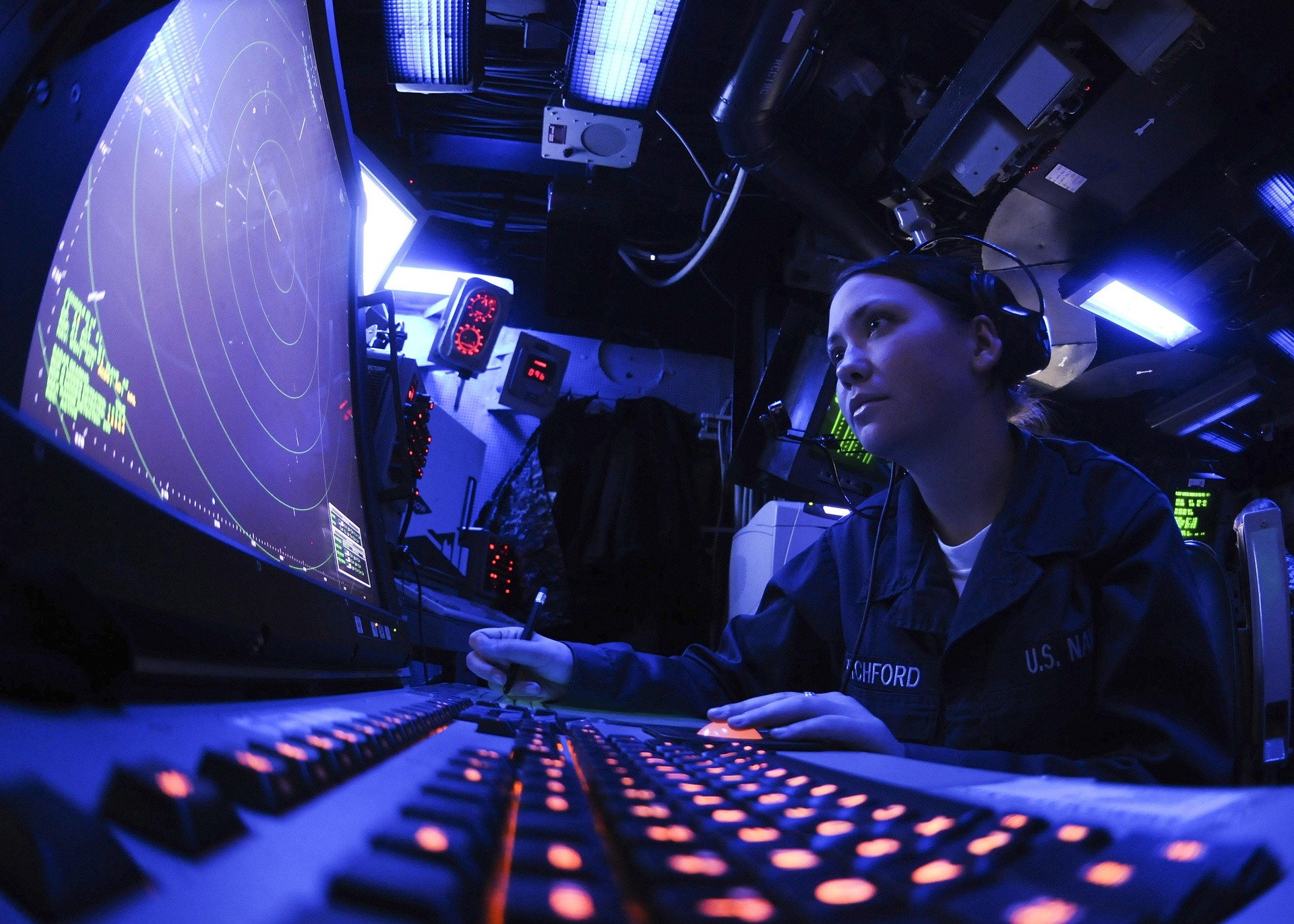
RADAR stands for Radio Detection And Ranging. The system emits radio waves that bounce off objects and return to the receiver. By measuring the time delay and signal strength, radar calculates distance, speed, and sometimes size of detected objects. Different radar types have distinctive displays: PPI (Plan Position Indicator) showing classic circular sweep with objects from above, Range-Height Indicator showing altitude versus distance, B-Scope showing azimuth versus range, and Synthetic Aperture Radar creating detailed terrain maps.
Creating Authentic RadarSimulations
A convincing radar simulation needs visual elements: circular screen with rotating sweep line, concentric range rings, coordinate grid overlays, blips (targets) that fade after sweep passes, realistic green or amber phosphor glow effect, scan lines or video noise, and HUD elements (range, bearing, speed indicators). Sound is equally crucial for radar authenticitym. Real radar systems have distinctive sounds: the rhythmic ping or beep of detection, background electronic hum, sweep tone that matches visual rotation, warning tones for close contacts, and radio chatter adding atmosphere.
Air Traffic Control radar shows aircraft with labels indicating flight number, altitude, speed, and heading, covering hundreds of miles with different range scales available. Naval radar typically shows shorelines, other vessels, weather systems, and navigation hazards, with military versions including IFF (Identification Friend or Foe) indicators. Meteorological radar displays precipitation intensity with color coding: green for light rain, yellow for moderate, red for heavy, and purple for severe storms or hail. Ground surveillance radar can detect moving vehicles and even people, used in military and border security applications.
Psychology and Technical Implementation
Radar screens suggest authority - military command, air traffic control, security monitoring. Having a radar display on your screen implies control of important systems. There's something primal and engaging about tracking moving targets. Radar taps into our instinct to track and predict movement, making it mesmerizing to watch even when fake. Decades of movies featuring submarine warfare, fighter pilots, and command centers have made radar culturally iconic - we know exactly what a radar screen means even if we've never used real radar.
Modern radar simulators use HTML5 Canvas with JavaScript to create smooth animations where the sweep line rotates continuously, targets are plotted in polar coordinates, fade effects simulate phosphor persistence, and random noise adds authenticity. Good radar simulations have convincing target behavior: targets move with realistic speeds, trajectories are smooth and predictable, targets can appear and disappear, collision detection prevents overlap, and different target types have different signatures. Advanced radar simulations include range adjustment (zoom in/out), target selection and information display, bearing and distance measurement tools, recording/playback of radar tracks, and customizable scenarios.
Radar in History and Different Aesthetics
Britain's Chain Home radar system gave crucial early warning of German air attacks in 1940 during the Battle of Britain. The technology was still new and operators had to learn to interpret the signals - this decisive advantage changed the course of WWII. Lunar Module Eagle's landing radar was crucial for the Apollo 11 Moon landing. When it showed Neil Armstrong and Buzz Aldrin headed for a boulder field, Armstrong took manual control in a dramatic moment in space history. The 2009 Air France 447 crash highlighted how pilots can become over-reliant on radar and automation - when instruments failed, the crew couldn't manually fly, a cautionary tale about technology dependence.
Soviet radar displays used orange or red phosphor with Cyrillic labels, featuring robust utilitarian design and distinct angular aesthetics. Current Western military systems use high-resolution color displays, touchscreen interfaces integrated with GPS and satellite data, and sophisticated threat identification. Fictional radar from movies and TV often looks cooler than real systems, with glowing neon colors, exaggerated sweep effects, elaborate HUD elements, and satisfying sound desigscenarios by detecting incoming aircraft with different speeds, altitudes, and threat levels, adding missile launch sequences and intercept calculations. Create submarine warfare scenarios with sonar similar to radar but underwater, tactical games between submarines, surface ships, and detection systems. Show weather tracking with storm systems moving across the screen with evolving intensity and alert systemnsity and severe weather alerts. Simulate search and rescue scenarios looking for lost vessels or aircraft with the satisfaction of finally detecting a weak signal.
Audio Design and Applications
The iconic radar 'ping' sound is actually from sonar (underwater sound ranging) but has become associated with all detection systems through movies. A rising or falling tone synchronized with the sweep line adds to immersion and provides audio feedback for visual events. Different tones indicate different alert levels - proximity warnings, lock-on tones, and system malfunction alerts.
Radar demonstrates physics concepts including electromagnetic waves, the Doppler effect, wave reflection, and signal processing - making it a great physics teaching tool. Polar coordinates, trigonometry, vectors, and relative motion calculations all apply to radar systems. The development of radar was crucial in WWII and the Cold War, making it a gateway to discussing 20th-century history.
Military and civilian organizations use radar simulators for training operators without expensive equipment. Video games from submarine sims to space games use radar interfaces extensively, and understanding real radar helps create authentic experiences. The radar metaphor applies to cybersecurity (network monitoring), logistics (vehicle tracking), or any domain where spatial relationships and movement matter.
The Future of Radar Technology
Emerging quantum radar technology promises to detect stealth aircraft and operate in electronic warfare environments where conventional radar fails. Self-driving cars use radar for collision avoidance and adaptive cruise control - soon, radar displays might be common in consumer vehicles. Radar technology is being adapted for medical imaging and vital sign monitoring, detecting heartbeats and breathing through walls.
Radar screens represent technology at its most dramatic - invisiblcritical decisions based on precise information, the intersection of physics, engineering, and human skill. A good radar simulation taps into all this cultural significance while being simple enough that anyone can appreciate it. Whether you're tracking aircraft, monitoring weather, searching for submarines, or just enjoying the hypnotic sweep of the scan line, radar simulators offer a unique blend of technical authenticity and engaging visualizatio technical authenticity and pure fun.
Human Example: Radar Screens and Military Tech: Creating Authentic Command Center Simulations
Scenario: a radar-style interface starts sweeping across the screen and viewers instantly narrate their own story about tracking, signals, and incoming threats. The interface invites imagination before explanation.
That human response is why themed control panels work so well in prank design. They let people complete the fiction themselves.
Practical checklist (human-first)
- Keep the reveal quick and respectful.
- Use the prank to explain why the reaction felt real.
- Leave the reader with one concrete habit or lesson.
- Prefer reversible setups over high-stress surprises.
Sources and further reading
Related reading
Man the Radar Station
Experience our authentic military radar simulator with realistic target tracking, sonar sounds, and customizable range settings. Feel like you're in a command center!
Launch Radar System →