
Enter the Matrix: The Green Code Experience
You know that scene in The Matrix where Neo's typing frantically and green code is just cascading down the screen? That's iconic. That's what everyone thinks hacking looks like. And honestly, it's perfect. You can recreate that entire vibe with a Matrix-style hacker typer simulator. Every keystroke becomes code. It looks professional. It looks legit. And it's hilariously fun.
Why Matrix-Style Is Different
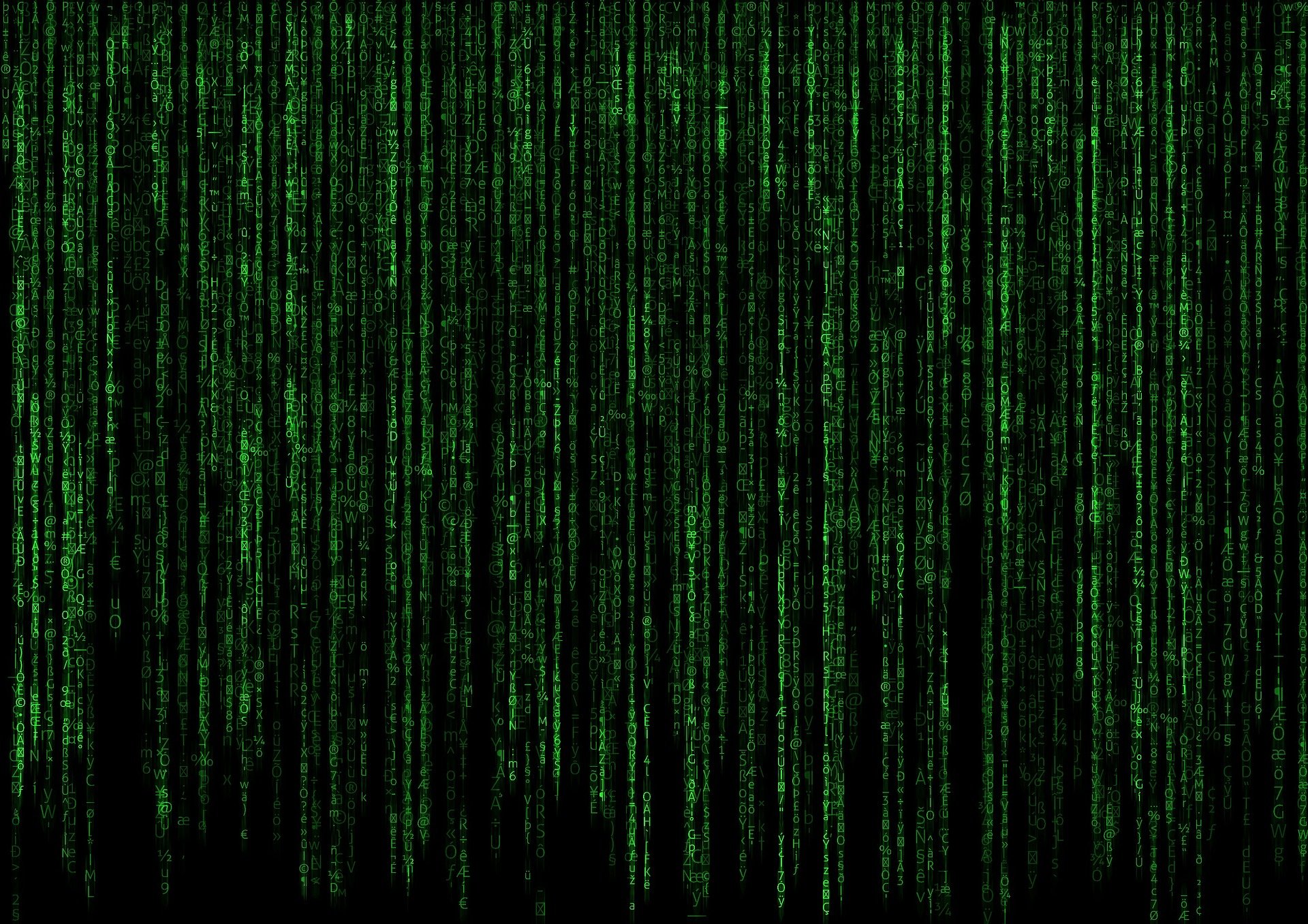
Look, there are lots of hacker typer simulators out there. But the Matrix ones? They nail the aesthetic. The signature phosphorescent green (#00FF00) on pure black background - it's not random. It's specifically designed to feel authentic because it actually IS authentic. Back in the 1970s and 80s, computer terminals used green phosphor displays. That was real. The color combo provides maximum contrast and creates that unmistakable digital rain vibe.
Then there's the code itself. It's not random gibberish. It's actual code - Python, JavaScript, SQL, Bash, Go. Real network commands. Real database queries. Real system code. And when you hit keys, those characters appear with glowing effects, blinking cursors, falling code in the background, status bars updating in real-time. It all adds up to looking incredibly convincing.
The Psychology Behind Green Code
Why does green on black feel so "hacker-like"? The reason goes back decades. Programmers and system administrators in the 1970s and 80s actually stared at green phosphor displays for hours. All day. Every day. That created a genuine cultural association: green = serious technical work. It's not just Hollywood. It's computing history.
Studies actually show that monochrome green displays feel more "technical" and "professional" than colorful interfaces. The stark contrast signals expertise. It makes people believe they're watching something advanced.
And then The Matrix (1999) happened. $460+ million worldwide. Entire generations grew up seeing green falling code equal hacking, AI, digital mastery. That cultural conditioning is powerful. When people see green code now, their brain immediately says "hacking."
How This Actually Works
The technical side is clever. The simulator has a pre-loaded library of real source code from multiple programming languages. Linux kernel functions. Python encryption algorithms. SQL commands. Bash network scripts. Each snippet is authentic, pulled from real open-source projects or written by developers specifically to look real.
Here's the magic: every key you press doesn't matter. It doesn't matter if you press 'A' or 'Z' or just mash randomly. The key press itself triggers the next character from the code library to appear. So you're not actually typing the code - you're just advancing through it. But it LOOKS like you're typing it. That's the whole thing.
Then CSS and animations add the Matrix vibe: green text with glow effects, black background, monospace fonts, scanning line effects, Matrix rain animation in the background using HTML5 canvas. Modern simulators add even more: press Escape and get 'ACCESS GRANTED' overlays, press Ctrl+C and get security warnings, automatic status messages updating as you 'progress,' progress bars showing fake infiltration percentage, fake system information in the terminal headers.
Best Ways to Use This
Office prank? Classic. Pull up the Matrix typer when your boss walks by. Just start typing. The green code immediately signals "serious technical work." Throw on headphones. Occasionally mutter about "firewall protocols" or "encryption keys." They'll believe it. Pro tip: Have actual work ready to switch to. The prank is funniest when they're unsure if you're actually doing something.
Content creators absolutely love this. YouTubers use it as background for "hacking tutorials" (even teaching legitimate topics). The aesthetic is instantly engaging. TikTok comedians use it for tech support skits or hacking jokes. Instagram reels with Matrix code get higher engagement. It's just visually compelling.
Teachers use it too, but differently. It's a conversation starter about media literacy. "This is what movies show hacking looks like. This is what real hacking actually looks like." It teaches critical thinking about technical representation in media.
And then parties. Pull it up on a projector and let guests "hack the mainframe." Surprisingly entertaining watching non-technical friends frantically typing while dramatic green code cascades down. Add a timer and make it competitive. Boom: instant entertainment.
Pro Tips for Maximum Effect
Full screen mode (F11) eliminates all distractions. Full immersion changes everything. Dim the lights. That green glow looks SO much more impressive in dark rooms. Keep a serious expression. Furrowed brows optional but highly recommended. Mutter technical phrases: "bypassing firewall protocols," "decrypting secure files," "accessing mainframe database." Strategic pausing works too - stop typing occasionally, lean back, stare intensely at the screen like you're thinking.
Know your exits before pranking. Usually ESC closes the simulator. Practice it first. And honestly? Audio off. Some simulators include keyboard sounds but they break the immersion. Silence is way more effective.
Why Green Code Endured 25 Years
The Matrix came out in 1999. The production designers created the digital rain effect using Japanese characters, numbers, and reversed English letters. That created an otherworldly-but-familiar aesthetic suggesting complex information flowing through digital space. The green wasn't random - it was deliberate. They wanted the digital world to look distinct from "real world" scenes. And it worked. Decades later, that choice influenced actual interface design. Hacking tools and terminals started adopting green-on-black themes as homage to the film.
Hollywood vs Reality
Quick reality check: Hollywood hacking looks nothing like actual hacking. In simulators, you get instant results from rapid typing. Dramatic cascading effects. One person breaching everything. Everything's fast and exciting. Real cybersecurity work? Careful planning. Reconnaissance. Hours of waiting for scans to complete. Team collaboration. Mostly boring terminal commands that look incredibly dull. Extensive testing. Legal authorization. Ethical considerations. Professional ethical hackers might use tools with green themes (like Kali Linux), but the actual work is methodical analysis, not frantic typing. If you want a real cybersecurity career, understand this difference.
Making Your Matrix Moment Go Viral
Unexpected contexts are gold. Film yourself "hacking" in coffee shops, libraries, public transportation. The contrast between mundane settings and dramatic green code is comedy gold. Capture reactions. Friends or family walking in on you "hacking the mainframe" - their confusion creates great content. Educational reveals work too: start impressive, then show it's a simulator and teach a quick lesson about media literacy or real cybersecurity. That format performs great on TikTok and YouTube Shorts. Collaborative pranks? Multiple people at different computers all "hacking" simultaneously. The coordinated green code creates impressive visuals.
What Features Matter
Best simulators let you switch between multiple programming languages: Python, JavaScript, SQL, and more. Customizable speed controls how fast code appears per keystroke. Background effects like animated Matrix rain add authenticity. Status messages dynamically update ("BYPASSING FIREWALL", "DECRYPTING FILES"). Progress tracking shows fake infiltration percentage visually. Easter eggs hidden throughout - special screens triggered by specific keys. Mobile responsive so it works on phones and tablets for on-the-go pranking. Silent mode for library or office use.
The Aesthetic Took Over
Matrix-style interfaces transcended the film. Fashion designers incorporate green digital patterns. Musicians use Matrix visuals in concert performances. Video games adopted the green code aesthetic for cyberpunk themes. Artists create Matrix-inspired installations and digital art. This aesthetic became shorthand for "digital," "technical," "futuristic" in visual communication worldwide. It's genuinely cultural.
Use It Responsibly
Here's the thing: Matrix typers are harmless fun. But use them responsibly. Use them for entertainment, pranks among friends, educational settings with clear explanations, content creation that reveals the simulation. Have fun. Enjoy the aesthetic. Don't impersonate IT professionals or security staff. Don't use it to gain unauthorized access. Don't mislead employers about your actual capabilities. Don't create situations about real security breaches. Don't entertain people when it could cause harm. Basic stuff.
What's Coming Next
As technology evolves, these simulators will too. AI-generated code responding contextually to your typing patterns. VR environments where you're literally inside the Matrix. AR overlays adding Matrix code to real-world views through phone cameras. Collaborative multiplayer where teams "hack together." Integration with actual coding tutorials for real educational value.
Embrace Your Inner Neo
Matrix-style hacker typers are pure internet joy. Nostalgia meets humor meets visual appeal. They remind us that technology should be fun, that sometimes perception matters more than reality, and that we all secretly want to feel like Neo for five minutes.
Whether you're pranking coworkers, creating content, teaching about media literacy, or just enjoying some solo fun - Matrix-style green code simulators deliver an instantly recognizable, endlessly entertaining experience.
So go ahead. Press any key. Watch that green code flow. Believe you're in the Matrix.
Human Example: Hacker Typer Matrix Style: Transform Into a Green Code Ninja in Seconds
Scenario: a user switches to a Matrix-style theme and instantly understands why green falling code became such a strong cultural symbol. The aesthetic alone changes how people read the screen.
The practical insight is that style communicates meaning before content does. That is why media-inspired interfaces feel powerful even when nothing real is happening under the hood.
Practical checklist (human-first)
- Keep the reveal quick and respectful.
- Use the prank to explain why the reaction felt real.
- Leave the reader with one concrete habit or lesson.
- Prefer reversible setups over high-stress surprises.
Sources and further reading
Related reading
Enter the Matrix Now
Experience our authentic Matrix-style Hacker Typer with real code, cascading effects, and interactive features. Just start typing and transform into a green code ninja!
Launch Matrix Typer →