However, simulated radar screens have appeared more and more in movies, video games, online simulators and in social media predictions about the next futuristic technology. These mockups mimic the look of actual ops centers in aviation, military operations, maritime navigation, weather tracking, cybersecurity and surveillance environments. Most of the time, simulated radar screens look very realistic to the average viewer because they essentially turn into real monitoring systems used by experts spanning the globe.
By taking advantage of recent technology, developers and designers are able to mimic the visual effects of radar systems with a high degree of precision. Those scanning lines that'll rotate, something passing by like a target, various parts blinking, the grid stuff being along a geographic line and animation changing. Even though many simulated radar interfaces lack the actual tracking hardware or even a live monitoring system that would make these devices functional, they can still provide a convincing experience through clever design and an understanding of psychology.
Visual Similarity Creates Believability
One of the reasons these simulated radar screens look convincing is that they share certain distinctive visual signatures with real monitoring systems. Everyone knows radar displays from movies, documentaries and military-related media, even if they never used one in reality.
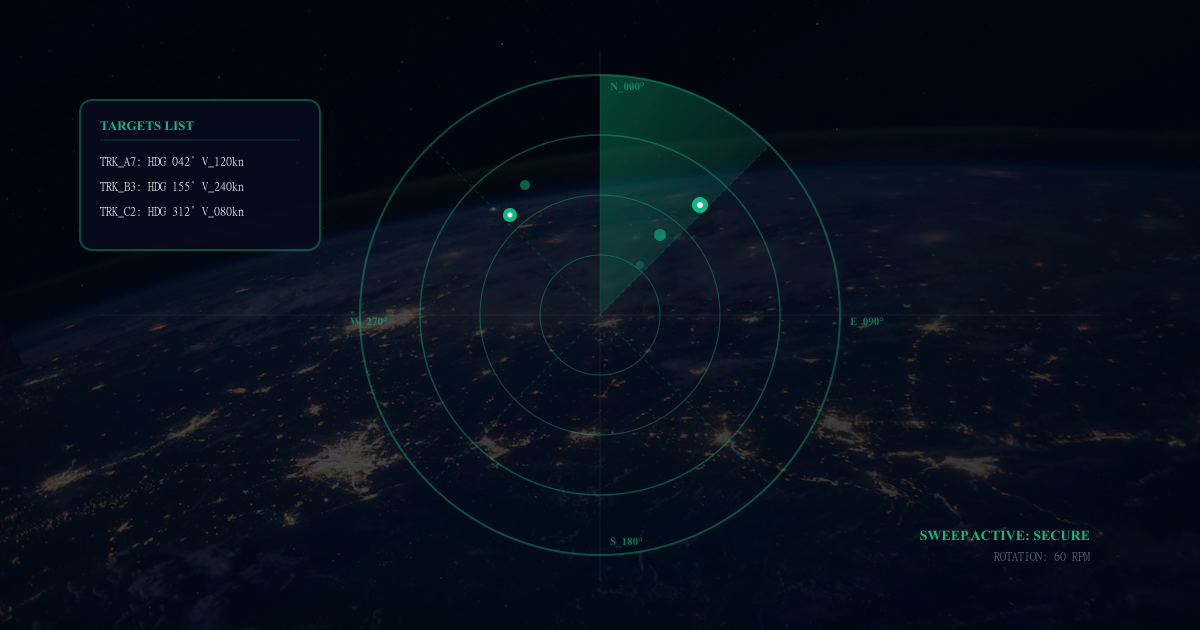
Radial scanning displays, sweep lines that rotate on the face of a screen once per second, grid overlays and flashing dots across the target dot identify what radar can capture. Users see this in pairs and immediately interpret the interface as a tracking system.
The choice of these more recognizable visual traits is intentional on the part of designers, because humans rely almost solely on familiarity to judge authenticity. Viewers believe a simulated radar screen because it looks like what they expect radar systems to look like.
Although they may be simple, animations can set up a convincing appearance of operational diversity applied in moderation with realistic design patterns.
Rotation effect (scan lines and motion) :
Radar systems are perhaps best known for their rotating scan line. A radar digitizer typically now serves this purpose, and simulated radar displays usually contain a right-to-left sweeping line piercing each point in the series (just like real low-resolution disk-type sweep radars).
It gives a sensation that the system is looking for objects live. Motion gives life and functionality to the interface at once. Static displays seem simulated, whereas a moving eye appears to be an active monitor that is processing data.
As is common, developers insert fading trails behind the scan line to simulate the glow effects seen in vintage radar displays. They give it a cinematic look and add to realism at the same time.
As is the timing and fluidity of the animation as well. Slow and steady rotations feel more realistic since they simulate the mechanical behavior of a conventional radar.
Animated Targets and Tracking Objects
Simulated radar systems often feature choreographed dots, triangles, or glowing markers to represent moving targets. These behaviors emulate the motion of aircraft, ships, vehicles or other unidentified signals through monitored regions
The illusion depends on motion tracking, which makes it look like the activity is happening live. The interface is made dynamic and realistic through the use of random movement patterns, speed variations and directional indicators.
Some even display fancy simulated radar screens with seemingly live target ID labels, signal strengths, or direction. The added detail elevates an impression of technical sophistication.
Real radar systems operate by following real objects with real data from live active area sensors. Simulated systems replace it with pre-scripted animations and movement paths. After this contrast, a visually convincing motion can make the audience think that the system is working.
Use of Realistic Color Schemes
Simulated radar interfaces rely heavily on color design. Dark backgrounds blended with green, blue, amber or red display objects allow radar simulations to tap into the strong associations of these colors both to military and surveillance technology.
Green radar screens in particular have become a classic after being widely adopted for older tracking systems. Scanners: the green-on-black aesthetic was ultimately embedded in scanning, tracking, and surveillance.
Contemporary simulated radar displays may take advantage of neon blue or modern sci-fi colours inspired by science fiction movies and video games. Such visual styles give a sense of space-age modernity to systems which are, ironically, all using ancient technology against the familiar info-laden desktop.
Colors that were chosen with a lot of thought to create an association for users to make an emotional connection between the interface itself and professional monitoring environments.
Impact of Films and Video Games
Simulated radar screens are significantly influenced by entertainment media. Radar Display & VisualizationFilms that are military operations, spy missions, submarines or futuristic technology-filled often opt to utilize the visually dramatic radar systems for suspenseful drama and even excitement.
The way radar works in video games also influences public perceptions. Stylized tracking systems that players use while playing the game can be commonly seen in tactical shooters, flight simulators, and strategy games.
Audiences are already used to these fictional solutions so treating them as reality quickly follows. Designers pay homage to these cinematic and gaming styles because they help ensure instant recognition.
Curiously, most simulated radar systems look much more like previous representations in science fiction than real radar units.
Simulated Radar Screens Created Using Web Technologies
Current simulated radar displays are usually implemented as web apps with modern technologies like HTML5, CSS, JavaScript, Canvas and WebGL. These tools enable developers to build creative graphics directly in the web browser.
HTML organizes the interface and CSS handles colors, layout, and visual effects. Animations, moving targets and the simulation of scanning behavior are all driven by JavaScript.
Technologies such as Canvas and WebGL provide rendering of graphics, glowing effects, rotating animations and real-time motion simulation.
With browsers now being so powerful developers are able to use something like radar interfaces without having any special software. This ease of entry has fueled the endearing fame of online radar simulators and futuristic dashboards.
The Future of Radar Simulations
Indeed, because of development in graphics innovation, man-made intelligence and immersive computing many simulated radar systems are probably going to appear as remarkable genuine spoiler frameworks for the anticipated time span. VR and AR may enable the user to interact with fully immersive monitoring environments.
It would produce more lifelike simulation impacts through adaptive tracking scenarios and dynamic target behavior.
Future, real-time radar simulations may also draw from public data such as aircraft locations, weather patterns or marine traffic.
The further these technologies develop, the more blurring of visual boundaries there may be between simulation and real monitoring systems.
Conclusion
Simulated radar screens often combine recognizable visual patterns, animated motion, technical data, sound effects and psychological design principles to mimic monitoring systems that appear real. Emulating surveillance and tracking devices developers use rotating scan lines, moving targets, realistic color palettes and interactive graphics.
The advent of modern web technologies and graphics tools has made it simpler for developers to construct realistic radar constructs for the movies, games, education and online entertainment. Even though these systems will not actually work, the inability to use it can shape a user's perception of technology just as powerfully with some impressive visuals
Knowing how simulated radar interfaces are created can lead users to acknowledge the artfulness of digital illusions like this while also highlighting some key differences between portrayals used for cinematic effect and actual monitoring systems on Earth.
Explore More Interactive Posts
Browse more digital simulation ideas, interface explainers, and browser-based entertainment guides across PranxWorld.
Read More Articles