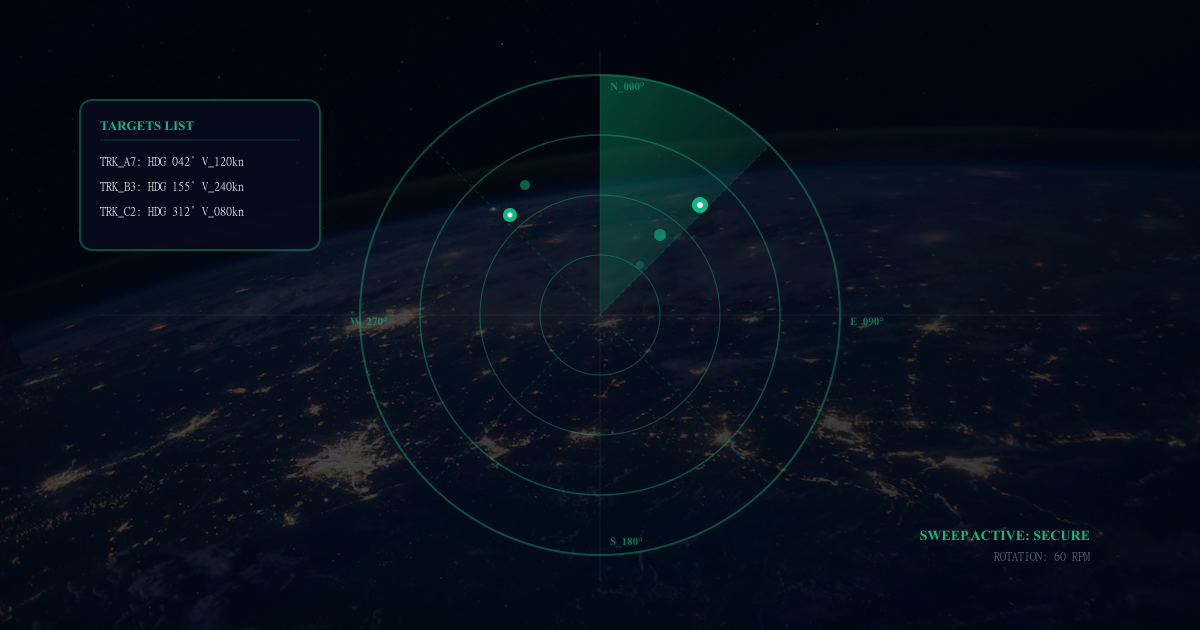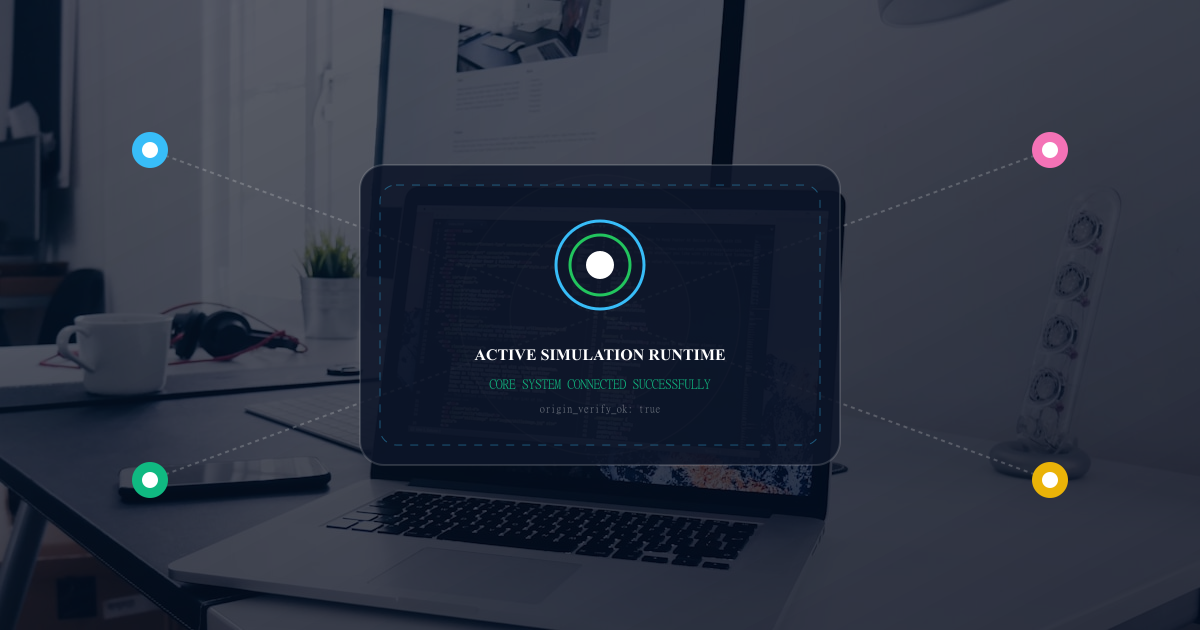
This is a huge break from past filmmaking, particularly for action/thrillers and tech based stories where scenes with developers have become stupidly common. In movies and web series, you see characters navigating through systems, breaking to secure a computer screen with dozens of codes,graphics and animations that are controlling a digital network. Setting up these scenes in true visual effects (VFX) software can be costly and tricky. This created a need for developer terminal simulators tools, which are either browser-based or lightweight applications that create realistic &ttq̦e ´cyber-style screens´ in seconds.
These simulation sims are used extensively, mostly because they provide the same visual fab at much lower prices than actual VFX software. To really understand why they were more affordable, you need to look into the costs of software licensing, technology needs (hardware + ease of usability), production speed, accessibility and how simple your workflow is in filmmaking.
Professional VFX Software is not Cheap
Professional VFX software is also one of the reasons real developer simulators are so damn expensive. However, industry standard tools like high-end compositing and motion graphics programs are very costly to get hold of as they require expensive licenses or subscriptions. For indie filmmakers, micro studios and student projects these costs will soon become a large financial restraint.
Filmmakers would otherwise have no choice but to invest in expensive software licenses, along with a hodgepodge of other tools for separate stages of production – animation, compositing, and rendering. Each of the above tools increases your cost. As time goes on, having a full VFX pipeline is expensive, particularly for budget-constrained projects.
However, developer terminal simulators destroy this cost entirely; they provide already prepared visual outputs through free or cheap internet sites.
No use here for Skilled VFX Artists
Last but not least, Professional developer scenes generated in VFX software need skilled artists that combine animation, programming visuals and motion designers. These are professionals who are highly trained, and they often command high fees for their services.
Which is why developer terminal simulators do not require such specialists or at least can diminish the demand for them. Filmmakers can simply use pre-made templates to simulate cyber visuals on-demand instead of designing the code animations or building a digital interface from scratch.
This reduces labor costs significantly. For small production teams, they can create Vader-style action sequences without hiring a full VFX department.
Ready-Made Visual Effects and Templates
Simulated developers simulators are designed with various animations and built interfaces that simulate terminal-style activity. These range from scrolling code, system terminals, network maps, and data transfers to computer glitches.
Because these elements already exist, filmmakers do not have to create special effects from the ground up. All they do is change text or settings and the required output is generated!
Unlike VFX software which is real, artists need to design every aspect of the visual in VFX and record all the moves and a few replays for timing impact lights. This is a slow and costly process.
Developer simulators are much cheaper largely because of their availability of ready-made templates.
Faster Production Time Reduces Costs
Time is equal to Money in filmmaking. That means the longer it takes to create a scene, the more money that goes into labour further software and then editing resources.
Instant satisfaction from developer terminal simulators This enables a filmmaker to create an entire terminal interfaces in minutes and you can literally have him performing the simulation instantly in one scene. This drastically reduces production time.
Real VFX software will require numerous steps - modeling, animation, rendering and post production editing. Highstep — Each step takes time and costs are also piling up too.
Developer terminal simulators can therefore indirectly reduce trivial filmmaking costs by minimising the number of people who need to be paid for production time.
No Need for High-End Hardware
VFX professionals usually need a strong computer for this. Many VFX software needs advanced graphics cards, large memory space and speed processors. These machines are relatively costly and not likely affordable for most small studios or independent creators.
Developer terminal simulators that are run in the browser or lightweight applications, thus do not require high-end hardware. They run fine even on a laptop or a smartphone.
They allow you to make digital developer scenes at a fraction of the cost since they remove the need to invest in costly equipment.
Browser-Based Accessibility
These developer terminal simulators are also often web-based because it is another key factor that makes them cheaper. Therefore, they do not need installation and configuration or even buy subsequent software.
Film folk just need a bowser, make the appropriate developer screen and download or record it for their films. There are no software installation fees and license restrictions.
This degree of access lowers both financial and technical barriers, allowing creators to make good looking scenes at little to no cost.
Reduced Training and Learning Costs
Seriously though, it takes time and patience to learn how this professional VFX software works. A lot of filmmakers or content creators have to take courses first or hire experts well versed with these advanced operating features.
On the other hand, developer terminal simulators are created for ease. The majority of them have simple input fields and click-to-generate systems. You do not need to have the most advanced technical ability to create realistic outputs.
That saves on costly training programs or lengthy learning curves, only serving to lower the total cost of production.
Easy Integration into Editing Software
Generic outputs from developer terminal simulators software are usually fed into a film editing tool as images or video. These attributes also render them easy to assimilate into post-production workflows.
This lessens the editing time and decreases the requirement of further VFX tweaks thereby reducing postproduction costs.
Flexibility for Independent and Low-Budget Films
Independent film makers usually have to work on a limited budget and cannot afford expensive VFX pipelines. These simulators, along with the developer terminal simulators tool that they can literally insert into any scene give them a budget way to write scenes where someone appears to be terminal-style in their dream ultimate way.
These tools work remarkably well for the kinds of basic storytelling that even student filmmakers and content creators on platforms like YouTube can now do without the financial pressure.
This on-demand accessibility makes it easier for more creators to experiment with tech-based storytelling without needing the high production costs associated with public performance.
No Subscription or Maintenance Fees
The market for professional VFX software itself works in subscription models, typically requiring numerous monthly or yearly payments. These recurring fees may add up quickly.
All simulation simulators are free or very inexpensive while not needing any kind of on-going payments. Because they are web-based, there is also no maintenance, updates, or system upgrade needed on the user side.
This means that, over time, they help filmmakers save money.
Conclusion
Aaand developer terminal simulators are an order of magnitude less expensive than actual VFX software for filmmaking, because they avoid a lot of the traditional overhead in digital visual effects. They eliminate the expensive software licenses, top-of-the-line hardware, and professional VFX artists required to build them in-house or make does away with long production timelines.
These tools enable the sharing of instant generation, ready-made templates and browser-based accessibility which make it easier and cheaper than ever to put together realistic-seeming developer scenes. Not only do they lower training costs, help in workflow simplification but also cut post production effort.
Explore More Interactive Posts
Browse more digital simulation ideas, interface explainers, and browser-based entertainment guides across PranxWorld.
Read More Articles