Simulated cyber simulators are digital entertainment devices that simulate an action on a screen that is quite similar to terminal-style activity. These are used a lot in movies, YouTube videos, live streams, social media content and internet simulations to make cyber-themed visuals more appealing and exaggerated. Although they seem to be realistic, no real terminal-style is being done and not interacting with a computer system.
They are not, however, constructed in any way to reflect reality, whether through an animated code followed by a system alert as is often the case with video game-inspired cyber scenes or data flows and futuristic dashboards worthy of Hollywood. Web browsers enable users to easily create cinematic developer effects instantly without any requirement for hardware specifications, lack of technical skills or software installations and this is what platforms like Pranx World are doing today.
Understanding Developer Terminal Simulators
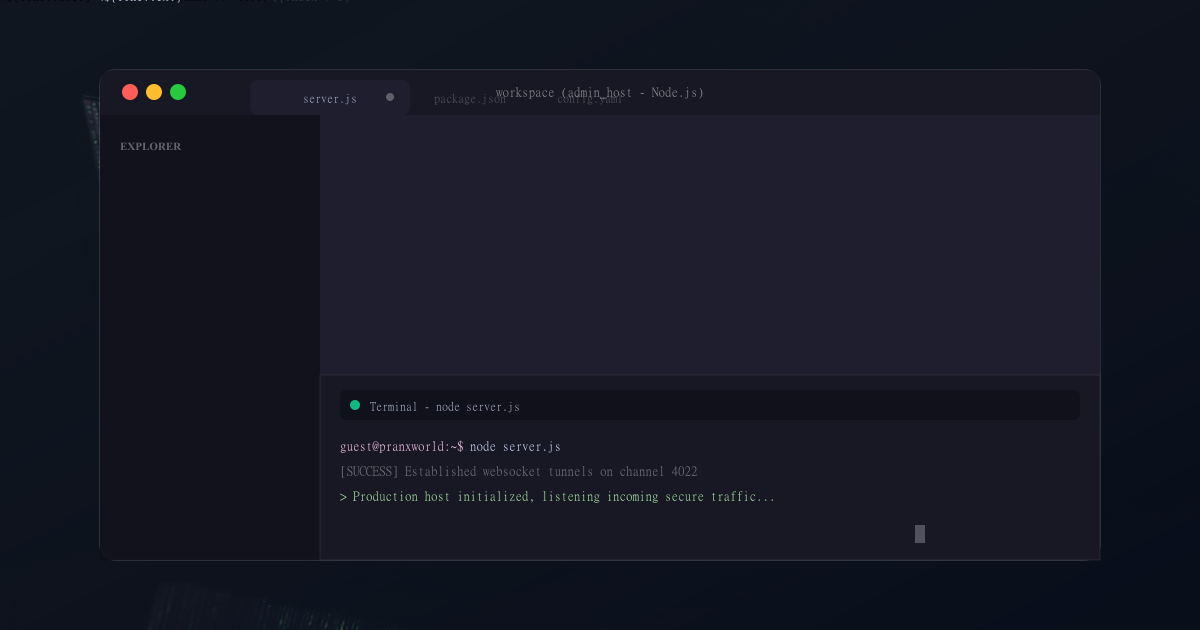
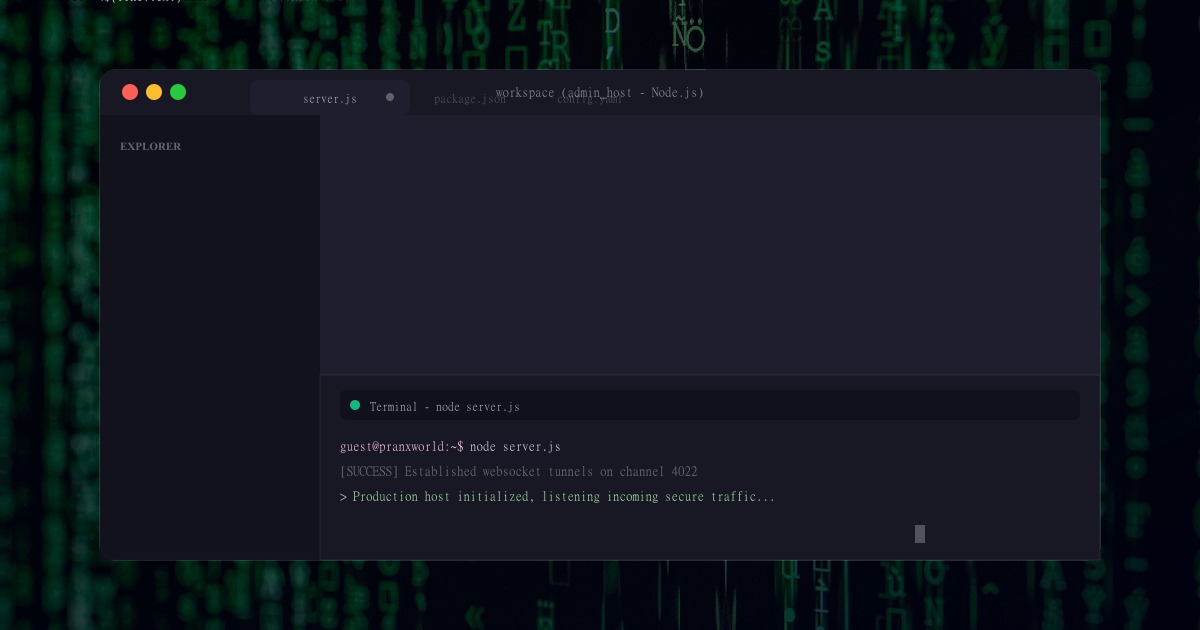
Developer terminal simulators are mostly visual programs and replicate the look of terminal-style activity. When it gets opened, it might appear that someone is at a computer, decrypting files or controlling systems in real time. However, the animation and random text display on a screen are completely animated/graphics that were designed beforehand for entertainment purposes. These simulators are not connected with a real database, actual server or network therefore they can not do any real terminal-style stuff. They aim to depict in movies and digital media what the essence of terminal-style is — not just what happens when actually doing cybersecurity work.
The Appeal of Pretend Developer Simulators
Audiences are evidently wired to be attracted to quick-moving visuals, a reason why developer terminal simulators have gained traction. For decades, movies and TV shows described terminal-style as a thrilling activity involving illuminated screens projected on the wall, plenty of typing and immediate access to systems. This is unrealistic but it has established public expectations and created a strong visual style by virtue of its recognition and attraction. Due to this, many content creators create developer terminal simulators to mimic this cinematic experience in their videos, streams and posts on social media. To meet this need, platforms like Pranx World aid creators by providing cyber simulations that can be readily used in any project right away.
The Inner Working Of Developer Terminal Simulators
Surprisingly, even though they might seem complicated, many developer terminal simulators are created using merely standard web technologies. Most of them are browser-based solutions that employ HTML, CSS and JavaScript. HTML is the backbone of the interface, CSS is the aesthetic (visual) design part and Javascript animates it. All of them together create a simulated cyber tool.
For example, lines of code or system messages such as “accessing server” or “decrypting files” are randomly generated by JavaScript while CSS makes them scroll, flicker, and smooth fade into the screen. In the header preview, HTML organizes all into a command-line style or futuristic control panel. The backend they work with is totally scripted, so nothing real is happening actually. This is a sleight of hand only, made to appear technically busy.
Why these developers animation are used in simulated developer
Animation is key for developer terminal simulators, as it provides a sense of live action. Without movement, the screen would appear unmoving and not realistic. Developers have Gamification and various animation techniques which will be scrolling text, blinking cursors, flashing alerts, loading bars that are simulated of system processing.
They cleverly make it so these effects happen at precise times that you think are realistic. The code that moves fast communicates urgency and complexity, whereas a slow transition adds tension. The constant movement conveys the illusion to viewers that something important is occurring despite everything being scripted. These aspects give simulated developer screens a cinematic and engaging sense when it comes to video content and live streaming platforms.
What Makes A Simulated Developer Screen Look Real
Developer terminal simulators seem realistic, because they utilize visual aspects that we already consider as computer technology. Most viewers won't understand coding or system processes, but they'll recognize terminal interfaces, command lines, error messages and datalogs from movies or basic computer use.
Incorporating these black backgrounds, neon green or white text, monospaced fonts and cyberpunk layouts brings the next level of realism into designers' world. Another element that contributes to the illusion is randomised system messages, and fast animations. In combining all of this, you end up with a believable digital environment that resembles an actual terminal-style session (even though it is purely visual).
Application In Movies And Film Production
Cinenumbers: Developer terminal simulators are ubiquitous in film, especially the action / thriller / science fiction types. Instead of creating complex custom software interfaces, filmmakers put her on a simulated screen to portray hypothetical advanced tech. These visuals convey complex ideas in a short amount of time and make scenes more lively.
When you see someone accessing an encrypted government surveillance system or flying a spaceship control panel under duress in the movie, for example. These types of interfaces allow for drama and excitement to be injected into a complicated situation without needing to notate the entire procedure. And they reduce production time, freeing filmmakers to concentrate more on storytelling and visual storytelling.
Online - Use in Videos & Live Streaming
You're familiar with developer terminal simulators made by content creators from YouTube, Twitch and TikTok. Their videos can be seen in gaming, tech, comedy skits, simulation videos and roleplay streams. These are commonly used by streamers during their live streams for interactive or dramatic moments.
Like a streamer could use it to pretend to simulation into a simulated system during a gaming challenge or YouTube should have a simulated-out terminal screen for some cyber-whodunnit storytelling video. They are ideal for live content as these simulators run in real time. And platforms like Pranx World have made it super easy for creators to use these tools instantly — which is why they are ubiquitous in this form of digital entertainment.
Browser-Based Technology and Accessibility
The majority of developer terminal simulators nowadays are online, directly running in web browsers without an installation. This allows for extreme accessibility and user friendliness. All an individual requires is a device like laptop, desktop or smartphone and good internet connection to use them.
Because browser-based simulators are developed using basic web technologies like HTML, CSS and JavaScript they can be quite lightweight and compatible with most devices. This allows novice and pro users to use them without the technical barrier. Pranx World and similar websites give the same representation with a click of a button, providing easy access for faster content production.
Conclusion :
Developer terminal simulators are innovative digital devices that mimic terminal-style behavior solely for the sake of storytelling and entertainment purposes. They depict cinematic cyber scenes with uses only of animations, web techs and visual design, that look real technically but have no technical functions.
This is partly due to their accessibility, simplicity and strong visual composition. From movies, streaming videos, social media and digital content creation they have been popularly used to make scenes visually interesting effectively.
Pranx World has made these tools super accessible to everyone allowing creators to create Hollywood-style developer visuals in a matter of minutes. The developer terminal simulators will have a crucial role in today's digital storytelling and visual creativity as online entertainment continues its evolution.
Explore More Interactive Posts
Browse more digital simulation ideas, interface explainers, and browser-based entertainment guides across PranxWorld.
Read More Articles